Pan-entertainment top media only tells the truth and jokes.
Xiniu entertainment original
Wen | Cold canned food Edit | Xia Tian
From the perspective of language, 2020 can be regarded as a year when domestic dramas blossom.
Northeast dialect, Chongqing dialect, Cantonese, Shanpu dialect … Many local dialects have entered the public’s field of vision with popular dramas as the carrier. In the process of drama spread, a wider range of dialect radiation has been realized.
It is true that it is not the first time that "dialects have entered the drama". As early as in plays such as "Big House Gate" and "Walking West", it left a deep impression on the audience. However, it is not difficult to find that the dramas that were integrated into dialects at that time were relatively single in type and uniformly chronological dramas. In addition to showing regional attributes, dialects have a stronger sense of age and charm, let alone a blend of life dramas and youth dramas.
This year, dialects have quite broken through the single category of chronological dramas and marched into various types of dramas such as life dramas and youth dramas.
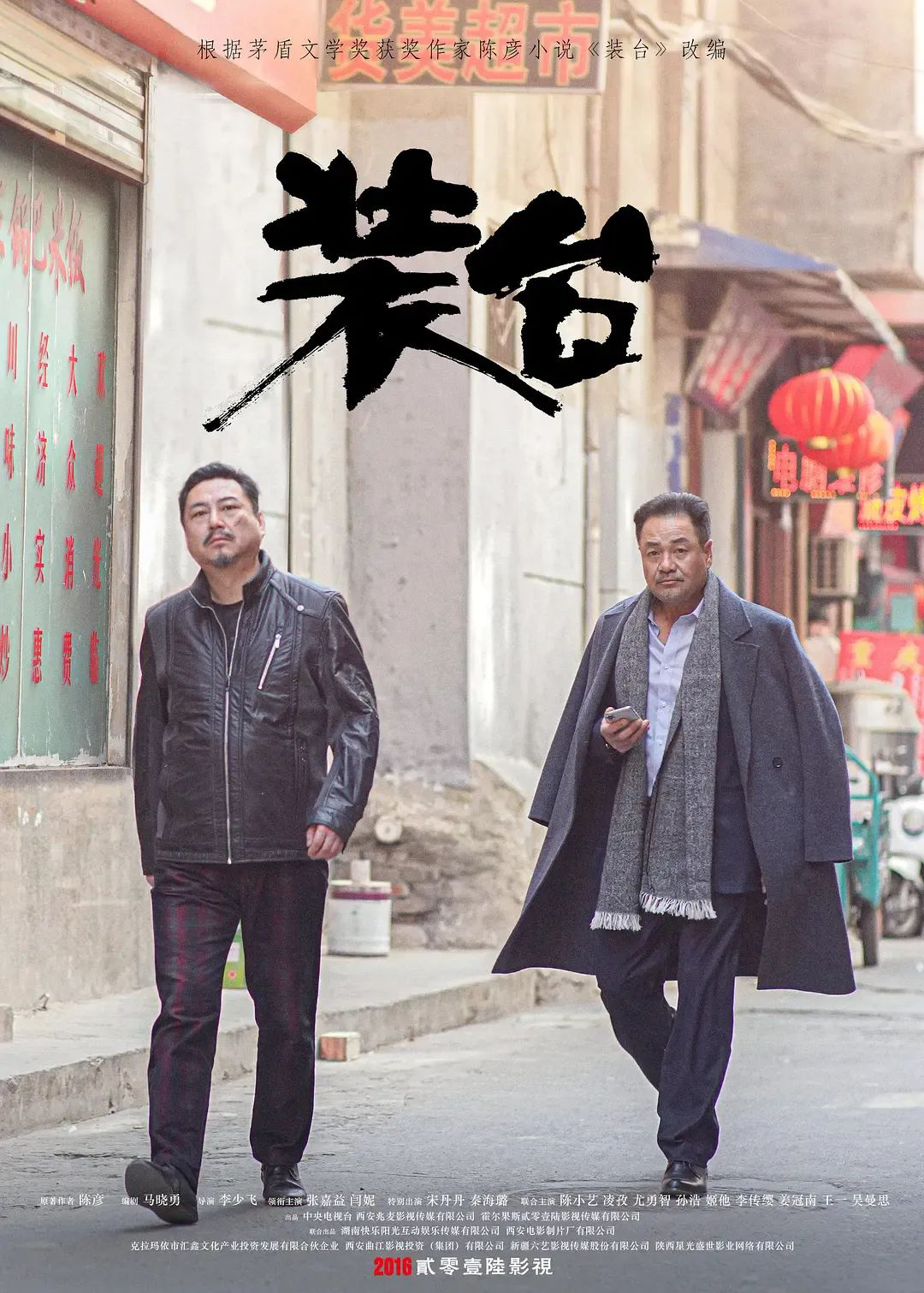
In CCTV’s popular life drama "Loading Taiwan", Shanpu is "flying all over the sky". Based on Chen Yan’s novel of the same name, the play tells the story of the Taiwanese people’s joys and sorrows, ups and downs, and the story of the ancient city of Xi’ an in the tide of reform and opening up.
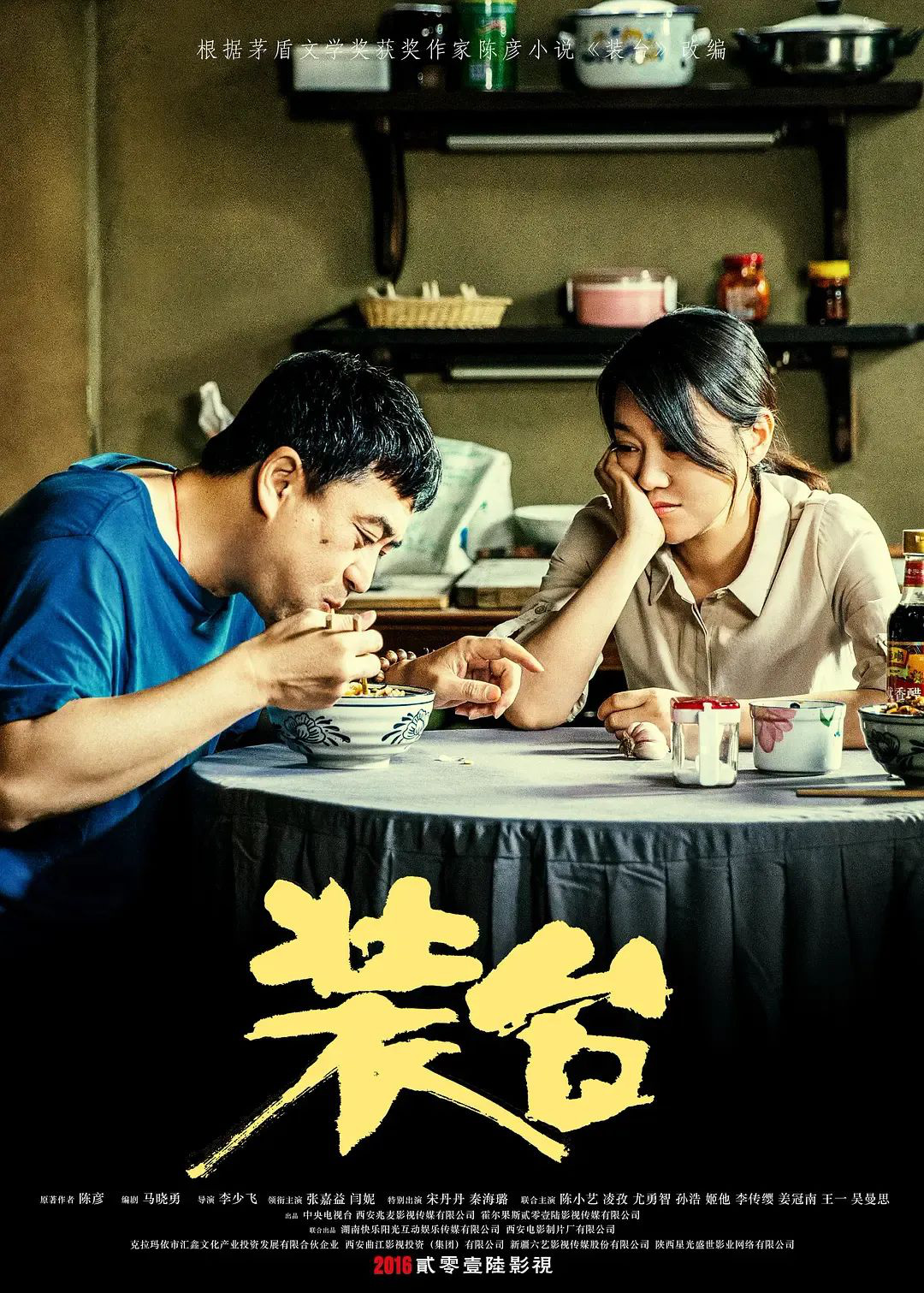
There are seven Shaanxi actors in "Loading Taiwan". Zhang Jiayi and NI YAN, leading men and women, as well as You Yongzhi, Sun Hao, Jita, Jiang Guannan and Guo Gang, who make up the image of Xi ‘an well group, are all genuine Shaanxi people.
While enriching the audience’s experience of watching the drama with fluent Shanpu, the regional culture behind the dialect has also played an important role, and the significance of "dialect entering the drama" has been completely interpreted.
Discard tool attributes
The Russian Song and Dance Troupe was rehearsing to the best of its ability when a "trapeze artist" suddenly appeared, and the rope of the platform loader was broken. With this small accident, the prologue of the TV series "Dressing Taiwan" officially kicked off.
Judging from the ratings, the drama has a good momentum, breaking one in a row. However, objectively speaking, the popularity and discussion of "Loading Taiwan" did not reach the volume of hot works.
In terms of quality, "Loading Taiwan" is far above the passing line. Chen Yan, the original author, has been working in Shaanxi Opera Research Institute since 1990. With 23 years of work experience and emotional accumulation, there is no need to worry about the authenticity and popularity of "Loading Taiwan". Mao Dun’s status as the winner of the literature prize also adds some confidence to the vividness of the story. At the same time, Zhang Jiayi, NI YAN, Song Dandan, Amanda and other all-in-one line-ups also ensured the presentation effect of the play to a certain extent.
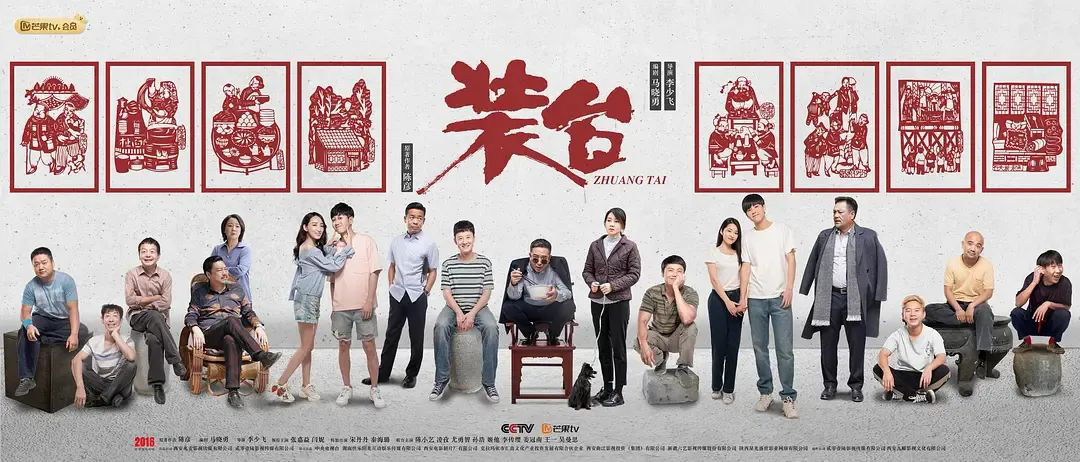
The problem lies in the rhythm. The two main lines of "Loading Taiwan" run in parallel, sewing Diao Shunza’s life tightly in one place like two stitches: one is the loading Taiwan work that Diao Shunza has to do on the stage, and the other is the parents he has to face.
Although it is full of fireworks, it is not the fast-paced play that online students like. The story structure is still confined to the old thinking.
At present, compared with the cast and story, it is the embodiment of regional culture, which has become the focus of discussion on the Internet and a breakthrough to attract cross-circle audiences.
Compared with the regular life drama, Shanpu’s "Dressing Taiwan" is unique for the panoramic display of Xi ‘an cuisine and scenery. Spicy beef with film, oil-sprinkled noodles, noodles with minced meat, Guo Kui, the root of the city wall in Xi ‘an, a true replica of the village in the city … is equivalent to a miniature documentary.
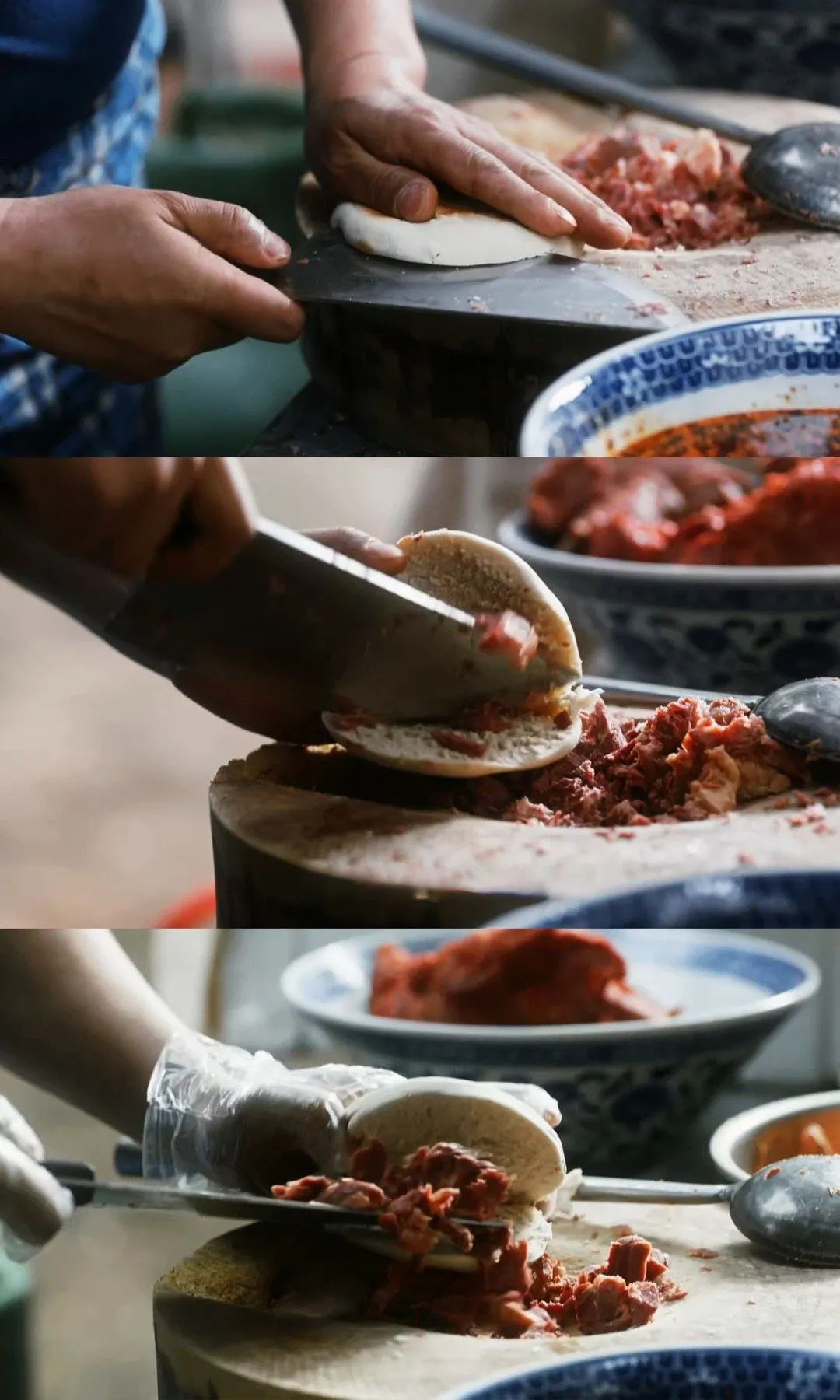
Although it has also produced slight side effects, a small number of viewers think that "Loading Taiwan" is not full enough on the plot line, like a propaganda film of Xi ‘an Cultural Travel interspersed with plots. However, in terms of freshness and communication, it is still flawed. Regional culture has become the key point of the fermentation and communication of "Loading Taiwan".
Breaking through the "tool" attribute of dialect and imbuing the plot with the color of regional culture in all-round immersion has become a new effect of "dialect entering the drama"
Multi-regional dialect attack
When it comes to the plays that form a strong impression with regional life, Loading Taiwan is not the only one in 2020.
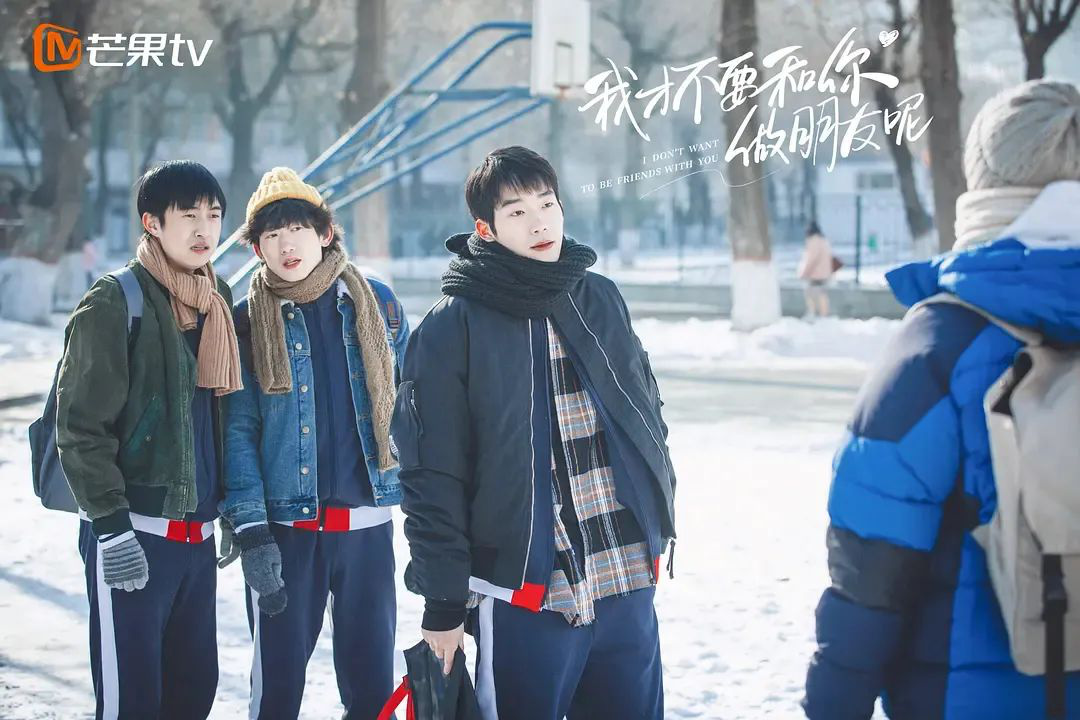
In May of this year, the youth drama "I don’t want to be friends with you", which was originally set in the Northeast Metro, became a dark horse of word of mouth with a lineup of almost all newcomers. It was affectionately called "Northeast Edition 1988" by netizens and was deeply favored.
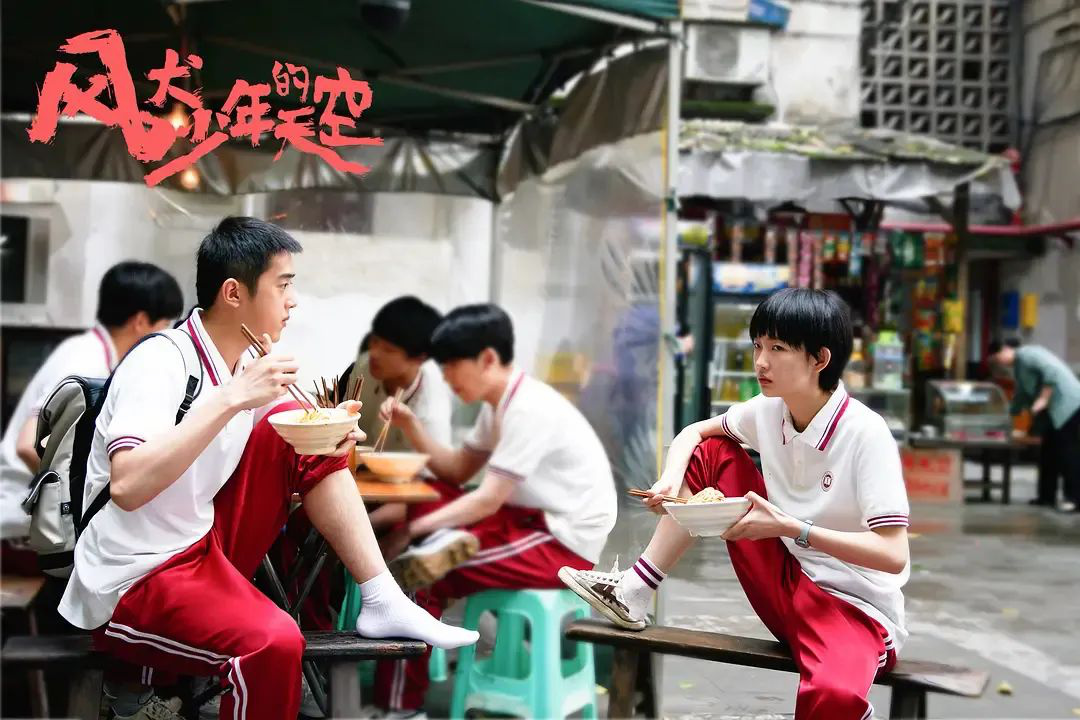
In September, bilibili’s first film and television novel "The Sky of Wind Dog Teenagers" was officially launched. Apart from the highlights such as Zhang Yibai’s directing and Peng Yuchang’s participation, the collision between Chongqing flavor and Secondary Two teenagers also made it play a good hand of differentiation.
In October, Dear Mayang Street, which depicts "Cantonese youth", was officially launched. In Cantonese with light comedy effects such as "jump on the street, you" and "Xiluzai", the life picture of Mayang Street slowly unfolds.
These dramas also have common problems in the same type of dramas in terms of the handling of endings and the structure of plot lines. However, it is undeniable that the infiltration of dialects and the diffusion of regional culture have given birth to freshness in the old types.
Take the small and beautiful dark horse "I don’t want to be friends with you" as an example. In essence, the group images of teenagers in Northeast China portrayed in "I don’t want to be friends with you" are no different from those in other youth dramas. But eating frozen pears, buying Sugar-Coated Berry, having snowball fights and sledding in the northeast campus life; Say to the girl you like, "I’ll find out the big cotton trousers I made later, and the ones with straps have a vest, which makes you sweat when you get old and warm"; The lively public bathhouse, the heavy industrial factory building with smoke rings and the life scene in the northeast mixed with ice and snow all make the audience find everything new and fresh.
And this new idea may be the best solution to the combination of regional culture and film and television dramas.
Region and drama, mutual achievement.
Many people believe that the key to the development of film and television dramas integrated with regional culture is to capture local audiences and turn them into core audiences. But in fact, the local circle is not an important direction for this type of drama to exert its strength.
It is true that cultural identity has a natural attraction to audiences in all regions, but it is difficult to adjust the opinions of all people, and the division of the inner circle of the region is also very complicated. At the same time, the narrow target audience will also form resistance in the process of fermentation and communication of the series.
Although "dialects enter the drama", the works that embody regional culture are increasingly diversified in types. But grasping the balance between popularization and localization is a universally applicable theorem.
Frankly speaking, it is biased to take whether the drama can attract local people to watch as the measure of success. Whether the innovation of drama types can be realized through regional factors and the spread of regional culture to a certain extent is the key.
From sketch stage to variety show, and then to the rise of short video platforms such as Tik Tok and Aauto Quicker, Northeast culture has always occupied a place. But in fact, the image of Northeast China in public cognition is biased towards extremes.
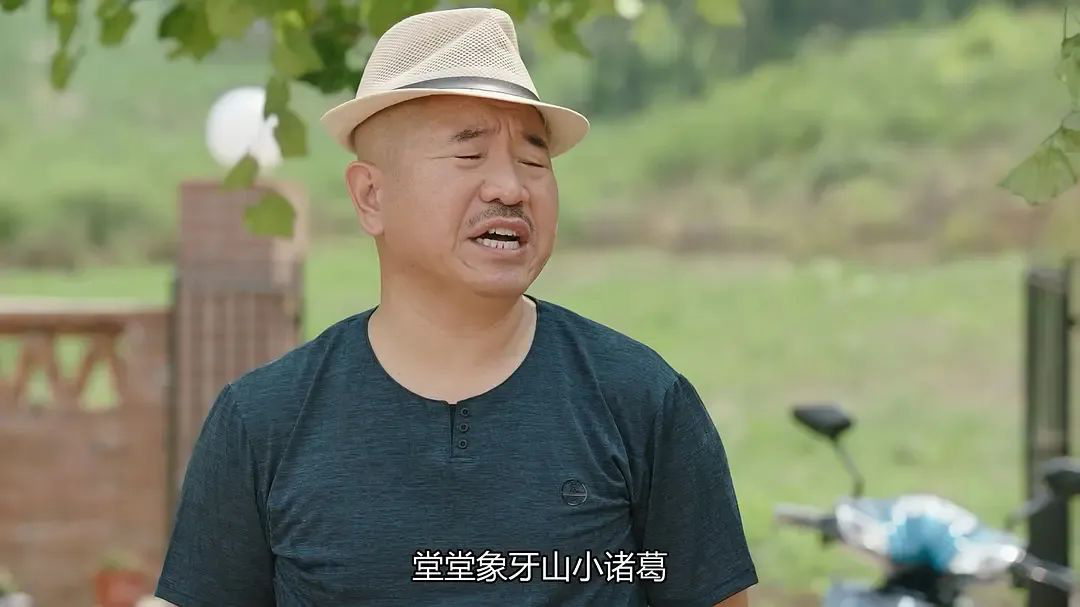
Northeast dialect may be familiar, but for a long time, it has been confined in a narrow world. What has been active in film and television dramas for a long time is the "ivory mountain Big Three" composed of Liu Neng, Xie Guangkun and Zhao Si in Country Love, or the Erlong Lake Haoge in Siping Youth. The most popular image of a teenager in Northeast China was firmly occupied by Xie Fei, who successfully made a circle by relying on the phrase "She pulled me".
In the public’s existing cognition, Northeastern dialect runs counter to the necessary elements of youth dramas such as romance and Soviet Union.
Under such circumstances, the presentation of "I don’t want to be friends with you" to "another Northeast" can not but awaken the audience’s curiosity. At the same time, it also broke the public’s wrong cognition of the customs of Northeast China, and enriched the content of regional cultural communication.
The same is true in "Loading Taiwan". With Shaanxi as the background, almost all the works that depict the region in depth are works with a strong flavor of the times, such as White Deer Plain and Ordinary World. The pictures of caves and loess have been frozen in public cognition. The presentation of Xi ‘an’s urban well life in Loading Taiwan not only brings fresh visual experience to the audience, but also enriches the image of Shaanxi.
In the drama series with strong dialect flavor and deep roots of regional culture, the drama series itself and regional culture are mutually successful. While satisfying the curiosity of the audience and giving new vitality to the old genre, the breaking of regional prejudice is also taking place.
In the overall context of the unprecedented rise of regional culture, the wave of multi-regional culture is scouring the field of film and television.

关于作者