Lu Xun said; "It is a modern woodcut to make many works of art with several carving knives and a wooden block and spread them to the public."
On October 25th, the exhibition "Backbone-Lu Xun and Emerging Printmaking Tradition" was exhibited in Shanghai Duolun Modern Art Museum. The Paper learned that this exhibition is also an important project practice of Shanghai Duolun Modern Art Museum focusing on "locality". The exhibition attempts to look back on Lu Xun’s great influence on the historical process of China from an artistic perspective in Duolun Road, a historical site where Lu Xun once lived and worked. At the scene, we can not only see the works of the first generation of emerging woodcut painters such as Chen Yanqiao, Li Hua and Li Qun trained by Lu Xun himself, but also the works of the second and third generation of emerging woodcut painters and contemporary woodcut painters influenced by Lu Xun.
Lu Xun is the most important writer in China in the 20th century, the leader of the New Culture Movement in China, and the initiator and promoter of the new woodcut movement in China. He not only used words as a weapon, but also directed at people’s hearts and humanity, trying to change the national character; He also found and emphasized the great role of printmaking as an art form in stimulating people’s self-examination consciousness and awakening national consciousness.
Lu Xun transformed woodcut prints, once neglected, into a new visual art. He believes that black and white woodcuts can be created quickly, with dramatic style and content, simple but powerful influence, and can become a weapon of social change and national resistance. Therefore, he spared no effort to introduce outstanding foreign artists such as kollwitz and others’ printmaking works to Chinese people, and also collected a large number of printmaking works at home and abroad, and trained and encouraged young printmakers in China by organizing public exhibitions and holding woodcut workshops, thus forming a new woodcut movement with far-reaching influence on the art world in China.
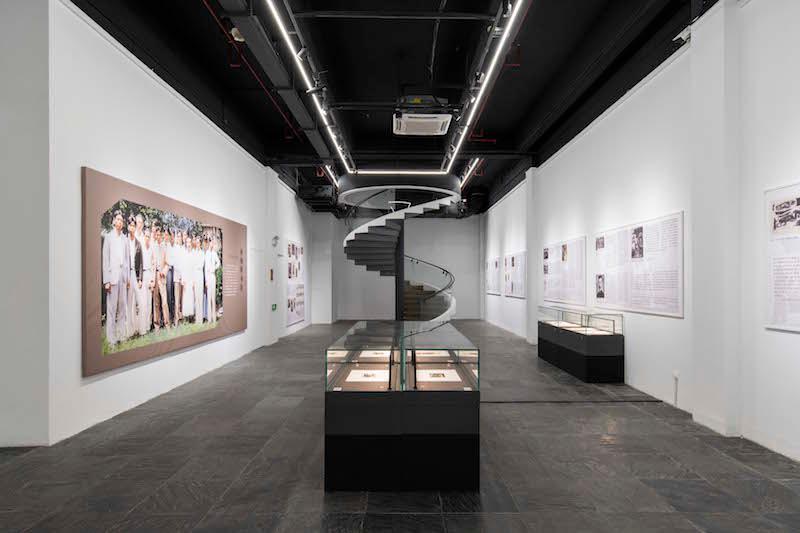
Exhibition hall site
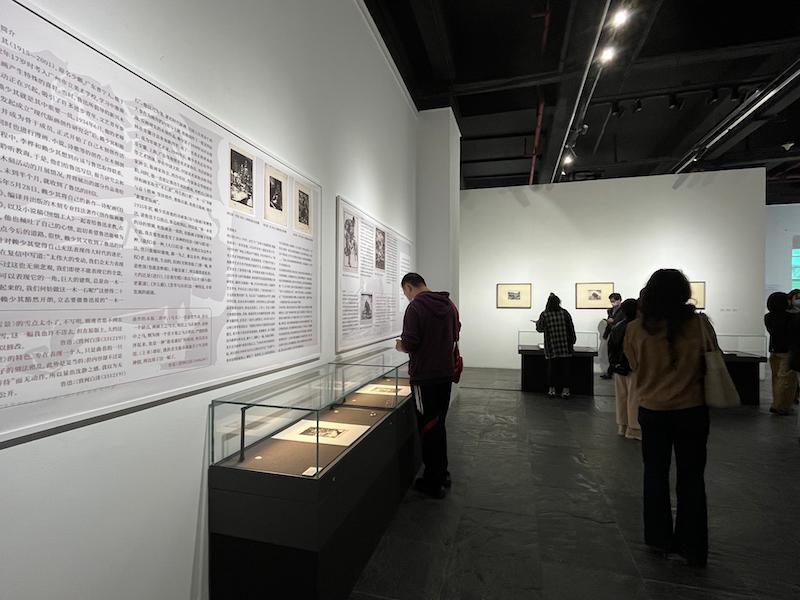
The theme of the exhibition in the exhibition hall is "backbone", which originated from the word "backbone" mentioned by Lu Xun many times in his own words: Lu Xun called those who have worked hard since ancient times, those who have worked hard for the people, those who have sacrificed their lives for the law as "backbone", and also called those Chinese who are enterprising, self-respecting and self-loving, and not arrogant as "future backbone" of China.The exhibition is divided into three units: Lu Xun and printmaking, Lu Xun and the young printmakers of emerging woodcuts, and passing on from generation to generation. It tells the inheritance of the emerging woodcut movement with literature, printmaking works, prints, images and installation works of contemporary artists, and pays tribute to the spirit of "backbone". The reporter learned that there are more than 80 modern prints and documents on display, and more than 30 contemporary prints, including the works of the first generation of emerging woodcut painters such as Chen Yanqiao, Li Hua, Luo Qingzhen, Li Qun, Zhang Wang and others personally trained by Lu Xun; There are also the masterpieces of the second and third generation of emerging woodcut painters such as Yang Keyang, Shao Keping, Yan Han, Zhao Yannian, Yu Baishu, Guang Jun, Wang Shuyin and others influenced by Lu Xun. There are also prints, installations and video works that contemporary printmakers pay tribute to Lu Xun’s spirit.
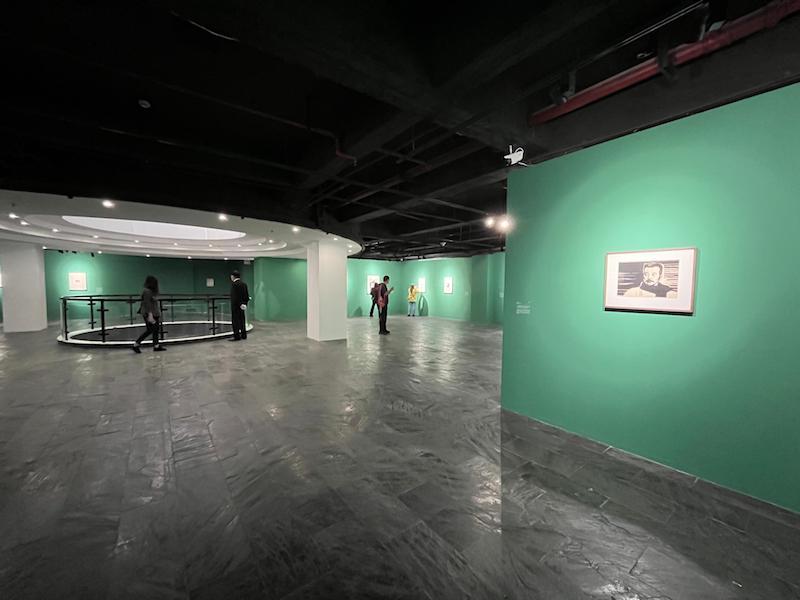
Walking into the exhibition hall on the spot is the story of Lu Xun and printmaking. Lu Xun is known as the father of new prints in China. From the middle and late 1920s, Lu Xun saw that "during the revolution, printmaking was the most widely used, although it was in a hurry, it could be done in an instant", so he invested a lot of time, energy and money, but he led the emerging printmaking to hold woodcut workshops and personally translated it; He held exhibitions, compiled and printed print collections, gave careful guidance in letters, and lent his treasured foreign print works to woodcut youths for reference. Eleven days before his death, Lu Xun went to the exhibition of young printmaking to celebrate his illness.
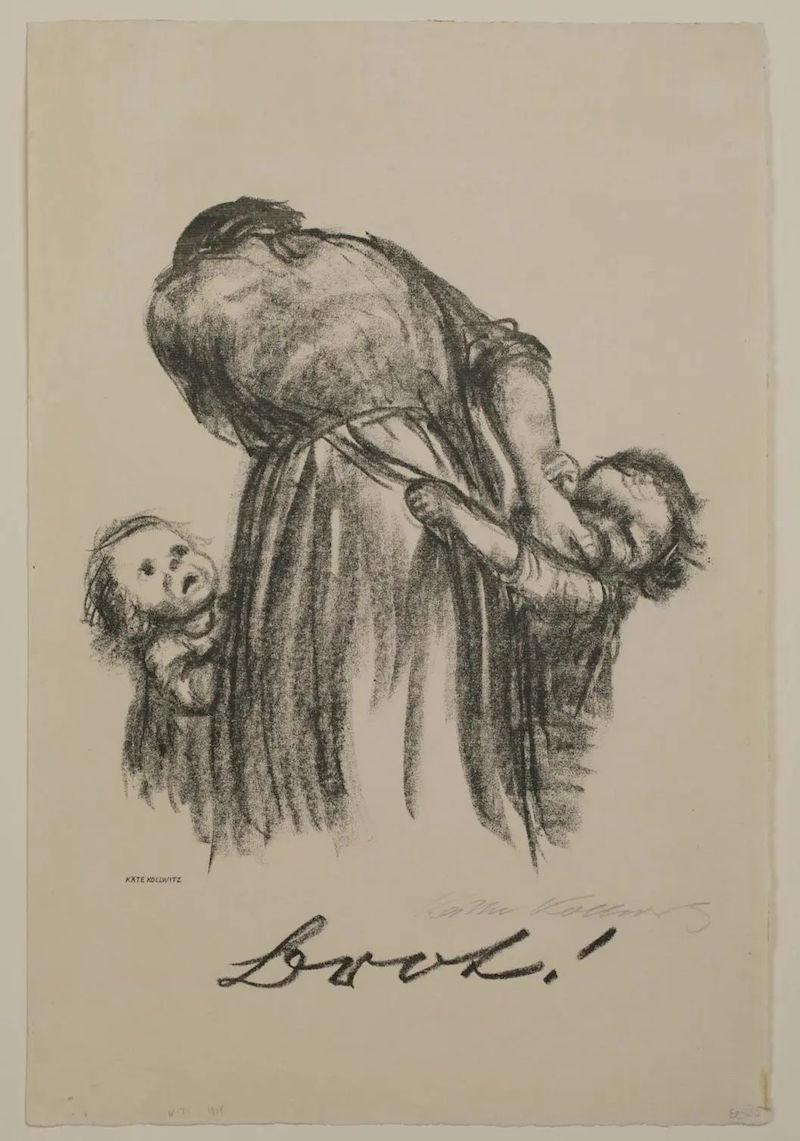
Kaethe kollwitz, bread, lithograph, paper book, 50.3×36.3 In 1924, Lu Xun Museum in Beijing was hidden in this unit. The first thing the audience saw was the work Bread by the famous German printmaker kollwitz. This work is an important work of kollwitz collected by Lu Xun, which depicts the hunger image of German children and women after the First World War. It is precisely because kollwitz truly reflected the tragic situation of the German people at that time that Lu Xun introduced his works to China, which had an important influence on the new woodcut.In the showcase of this unit, the works of the first generation of emerging artists who grew up under the personal instruction of Lu Xun are presented, including Luo Qingzhen, Li Hua, Chen Yanqiao, Li Qun and Lai Shaoqi. Under the careful guidance of Lu Xun, these artists, from the belief of changing society to artistic ideas, "made many works of art with several carving knives and a wooden block and spread them to the public." Their works were praised by Lu Xun as "healthy and distinct, the art of new youth and the art of good mass", which left an indelible mark in the left-wing literary and artistic movement and the emerging printmaking movement.
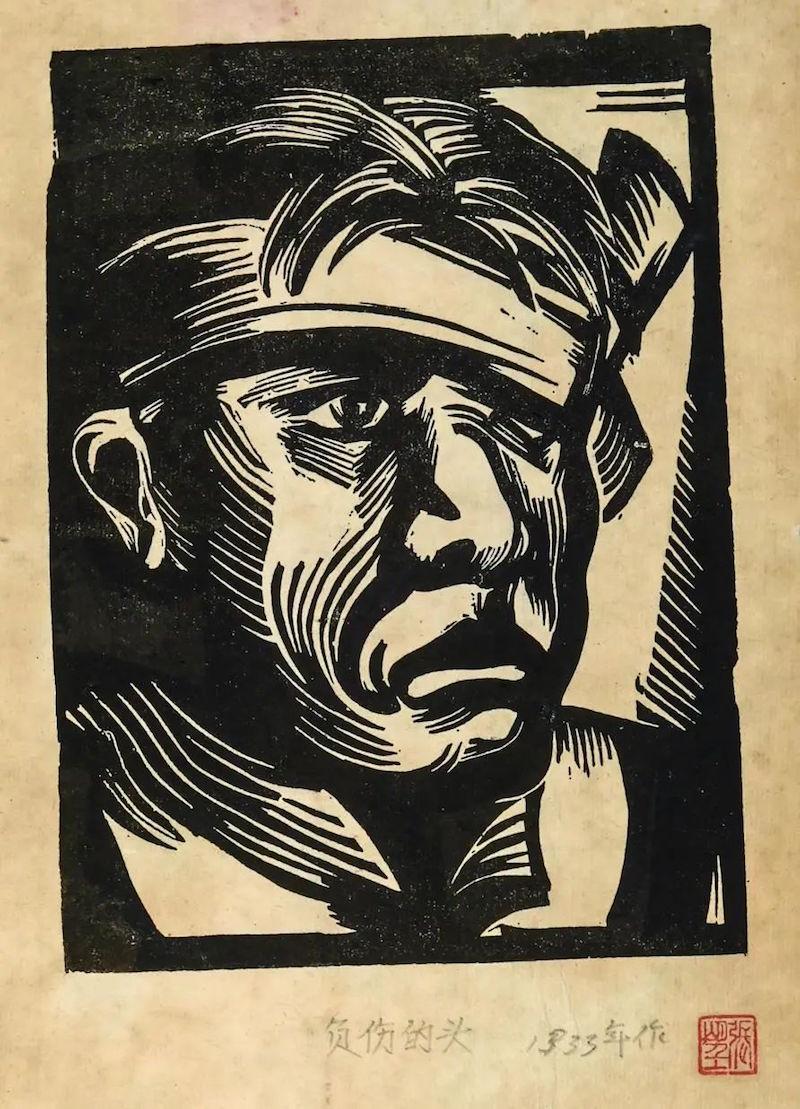
Looking around, wounded head, woodcut prints, paper book, 28.7×17.2 cm, in 1933, collected in Shanghai Lu Xun Memorial Hall.
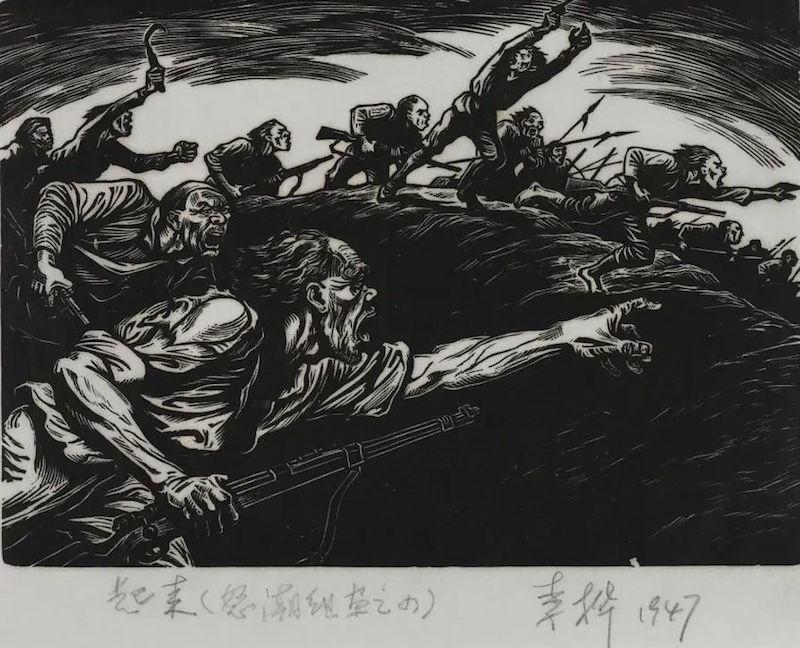
Li Hua, Qilai (No.4 of Raging Tides), woodcut print, paper book, 19.5×27, collected in Shanghai Art Museum (China Art Palace) in 1947.
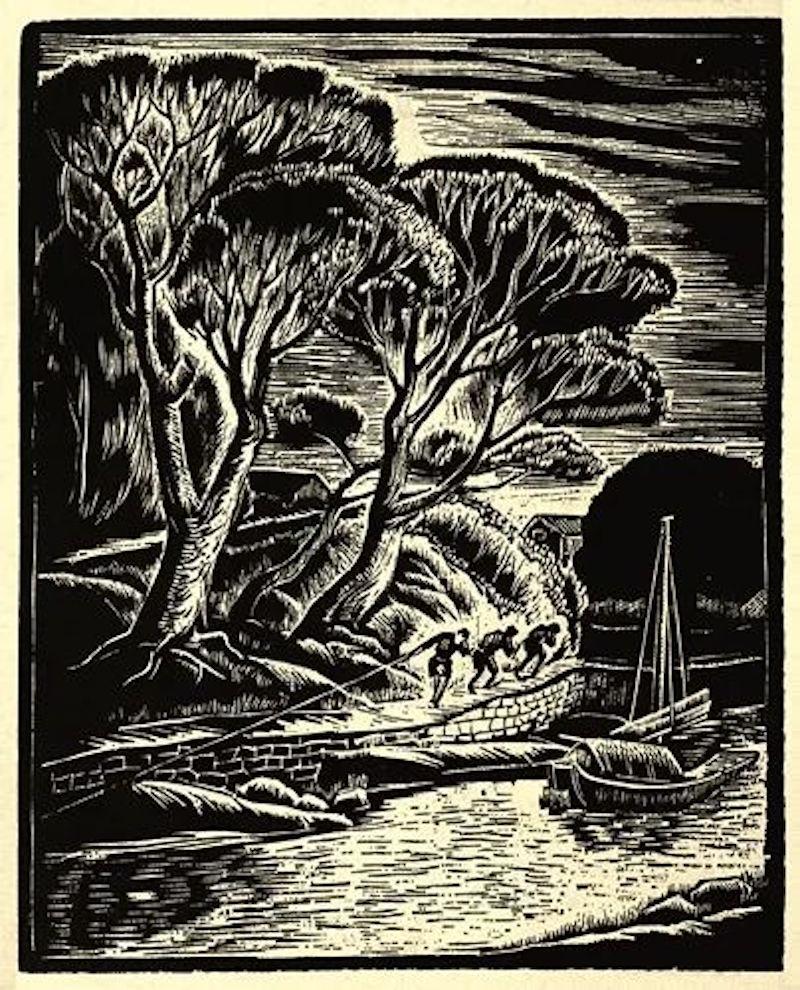
Luo Qingzhen, Hanjiang Zhouzi, woodcut print, paper book, 32.4×23.8 cm, was collected by Lu Xun Museum in Beijing in 1934. Since then, generations of emerging printmakers have been growing. Guided by Lu Xun’s printmaking concept, they have continued the tradition of the first generation of emerging printmakers, and recorded the development of the times with their own pens and knives in the arduous anti-Japanese war and the construction of new China. As for woodcut prints, as Lu Xun said: "It is the unanimous demand of the author and the public, so only a few young people with an iron pen and a few boards can develop so vigorously." It shows the enthusiasm of art apprentices, so it is often the soul of modern society. "On the second floor of the art museum, it is the works of these new woodcut printmakers that are displayed. It is reported that this unit presents 23 works by 18 emerging printmakers, spanning from the 1940s to the 1980s. These participating artists include Yang Keyang, Shao Keping, Huang Yongyu, Zhao Yannian and other well-known people. Their works have a wide range of themes, diverse artistic expressions and their own explorations and innovations in the development of printmaking art.
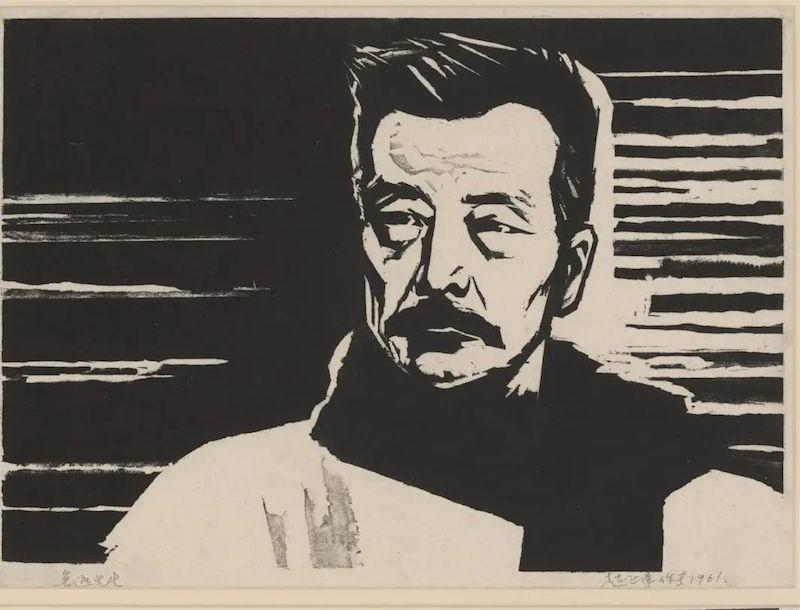
Zhao Yannian, portrait of Lu Xun, print, 29×42, 1961, Shanghai Art Museum (China Art Palace).
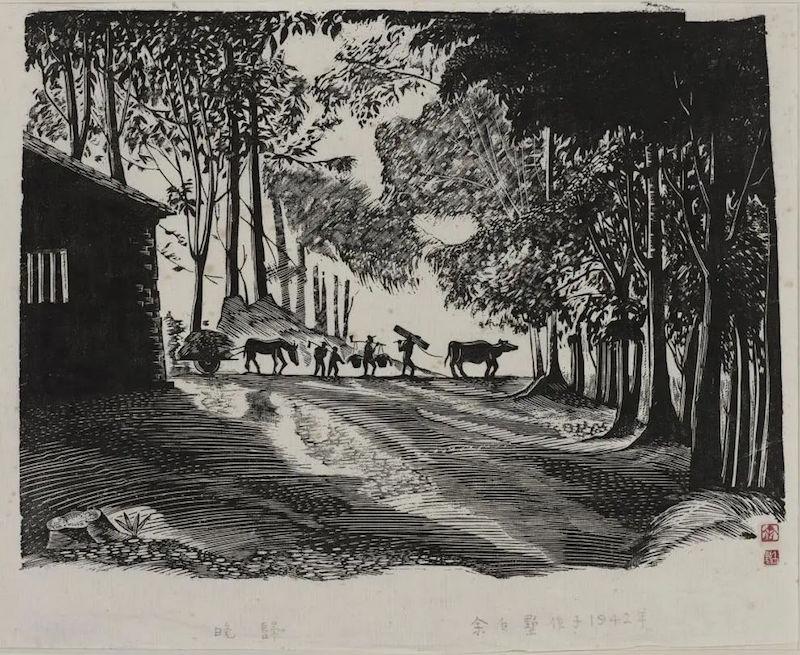
Yu Baishu, returned late, print, 21.5×28 cm, collected in Shanghai Art Museum (China Art Palace) in 1942.
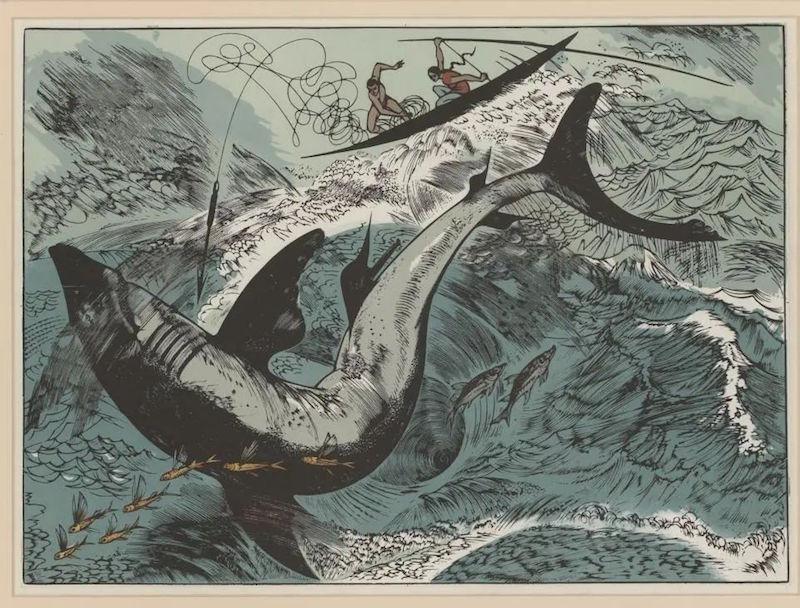
Huang Yongyu, whaling, printmaking, 32×44, Shanghai Art Museum (China Art Palace).
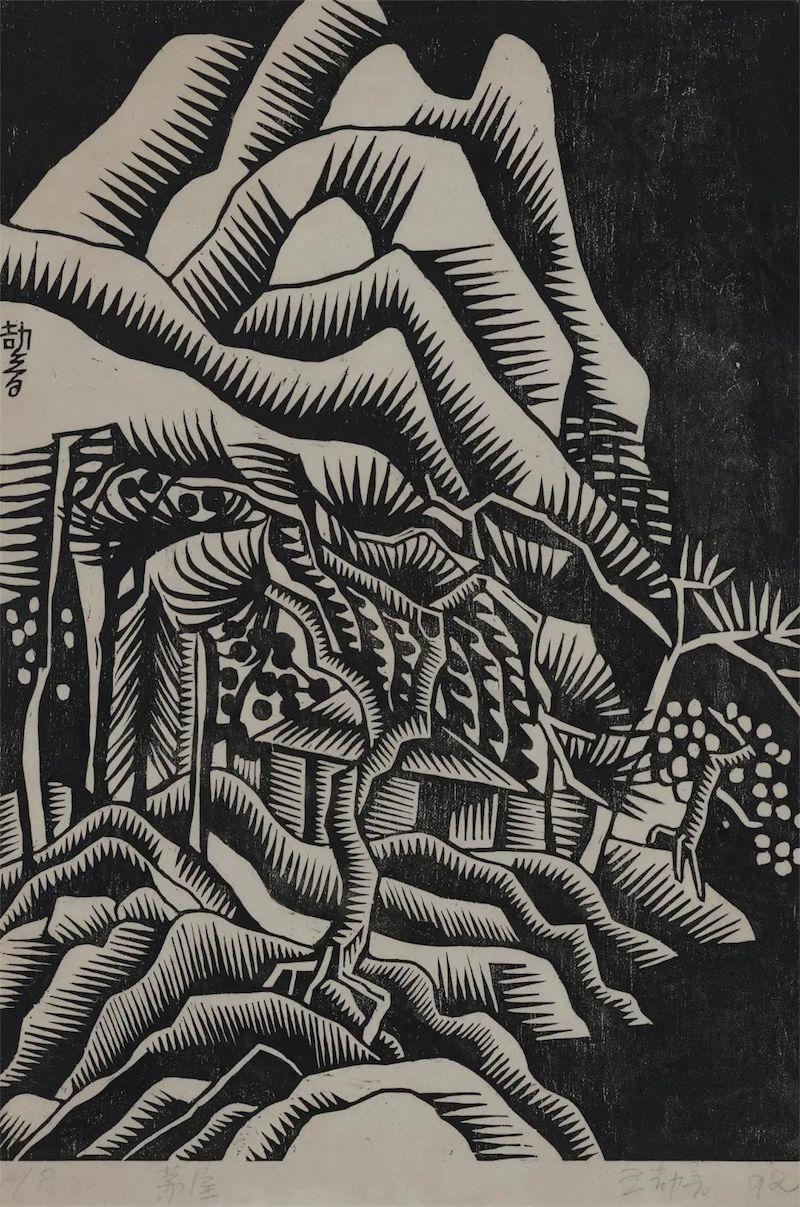
Wang yiyin, hut, print, 61×42.5, 1992, Shanghai Art Museum (China Art Palace).
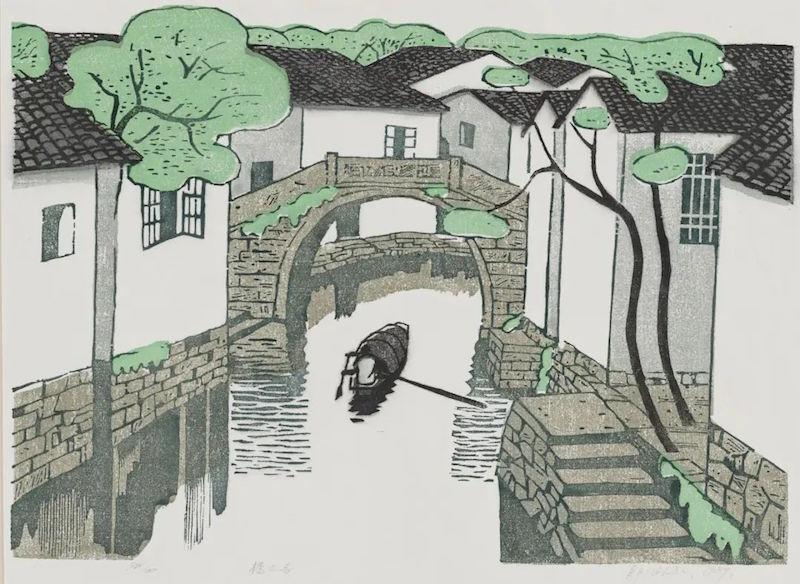
Wu Jide, Spring of the Bridge, print, 39.5×55 In 1989, the organizer of the Shanghai Art Museum (China Art Palace) said that this part of the print works can not be said to fully reflect the development process of emerging prints after Lu Xun for more than half a century, but it can also be seen. To borrow Lu Xun’s words, "Of course, these works are just a little bud, but if there is a beautiful forest, it is necessary to have this bud first."On the third floor of the art museum is the third unit of the exhibition, "From generation to generation". Compared with the first two units, this unit presents the works of 13 contemporary artists, and their works are more diversified, including prints, installations and images. In the expression of content, from life scenes, surrounding objects, social phenomena to abstract language, we can see that contemporary artists are not only obsessed with the exploration of the artistic language of "printmaking" itself, but also the expression of the concept of not sticking to the media of "printmaking".
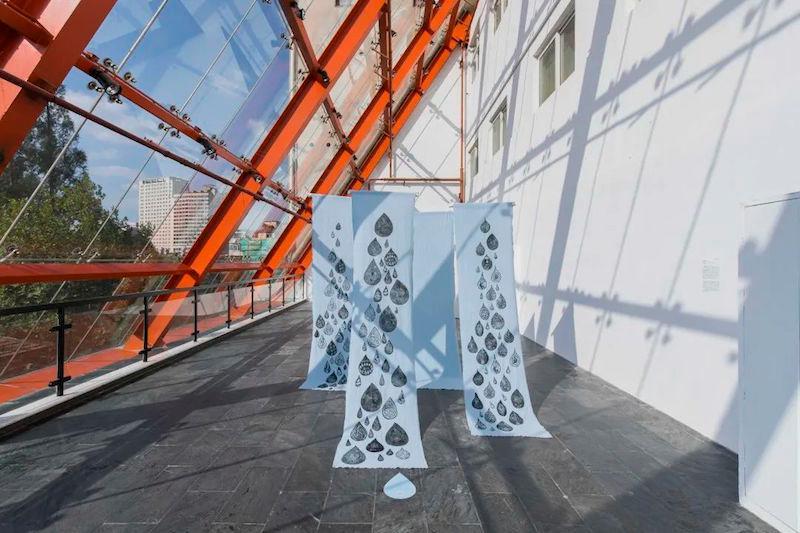
Woodblock Wave Group, The Beginning of Rivers, Woodblock or Offset Prints, Cotton Linen, Variable Size, 2022.
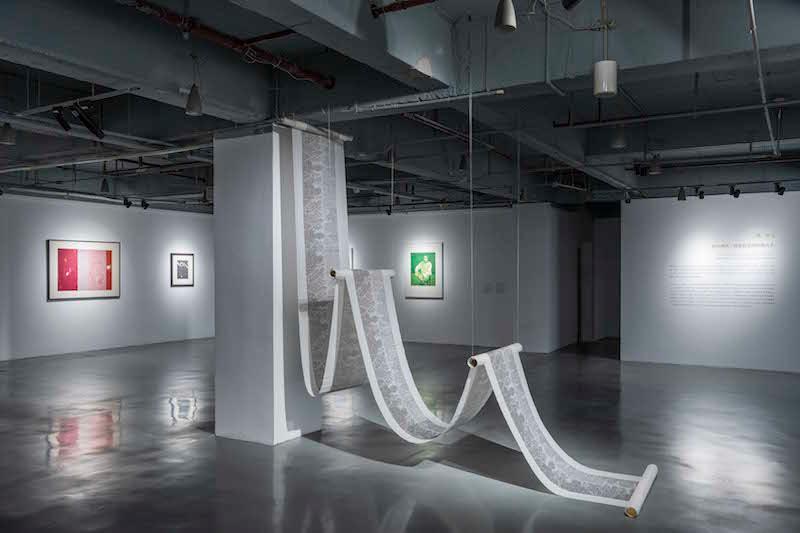
At the exhibition hall, before Sang Maolin’s "They" entered the exhibition hall on the third floor, the audience could see the woodcut wave team’s work "The Beginning of the River". This work is a project created by the "woodcut wave flow" group and the public. It is inspired by Lu Xun’s "A drop of water can be the beginning of a river, the fluttering of a leaf can herald the future of a storm, and a small origin can produce great results". Through the participation of the public, it shows the spring flow of today’s life; Another installation, They, was created by the artist Sang Maolin and inspired by the scene of Nanjing Road in Shanghai. In the city, everyone has his own inner story and dreams.
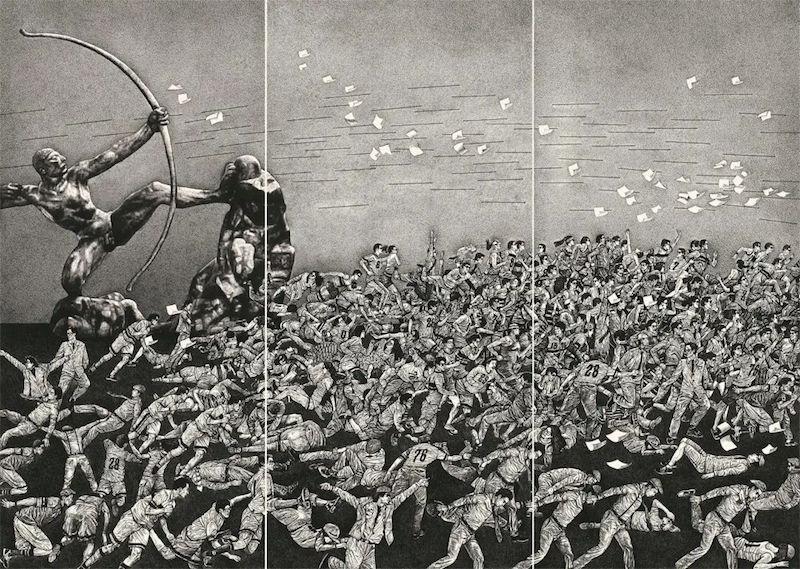
Zhang Minjie, Stage No.3, Lithography, 75×100 cm, 2014.
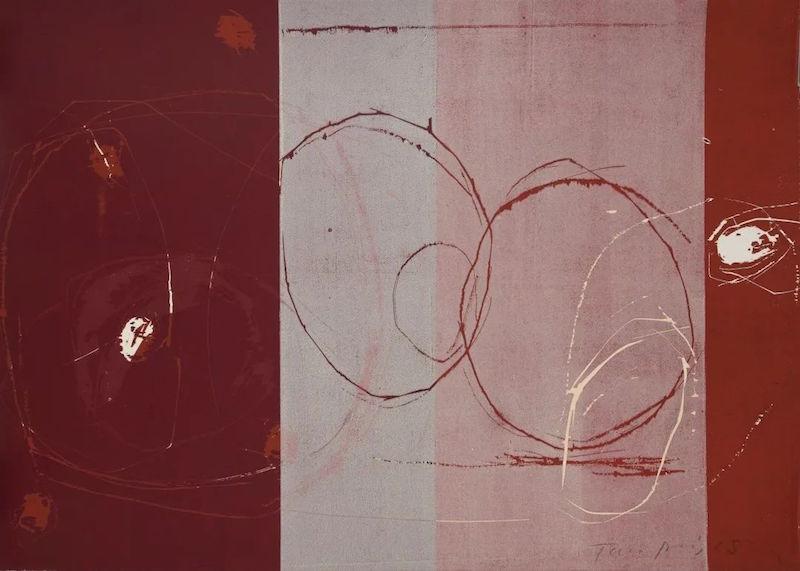
Tan Ping, untitled, color-matched woodcut, 74×106, 2008.
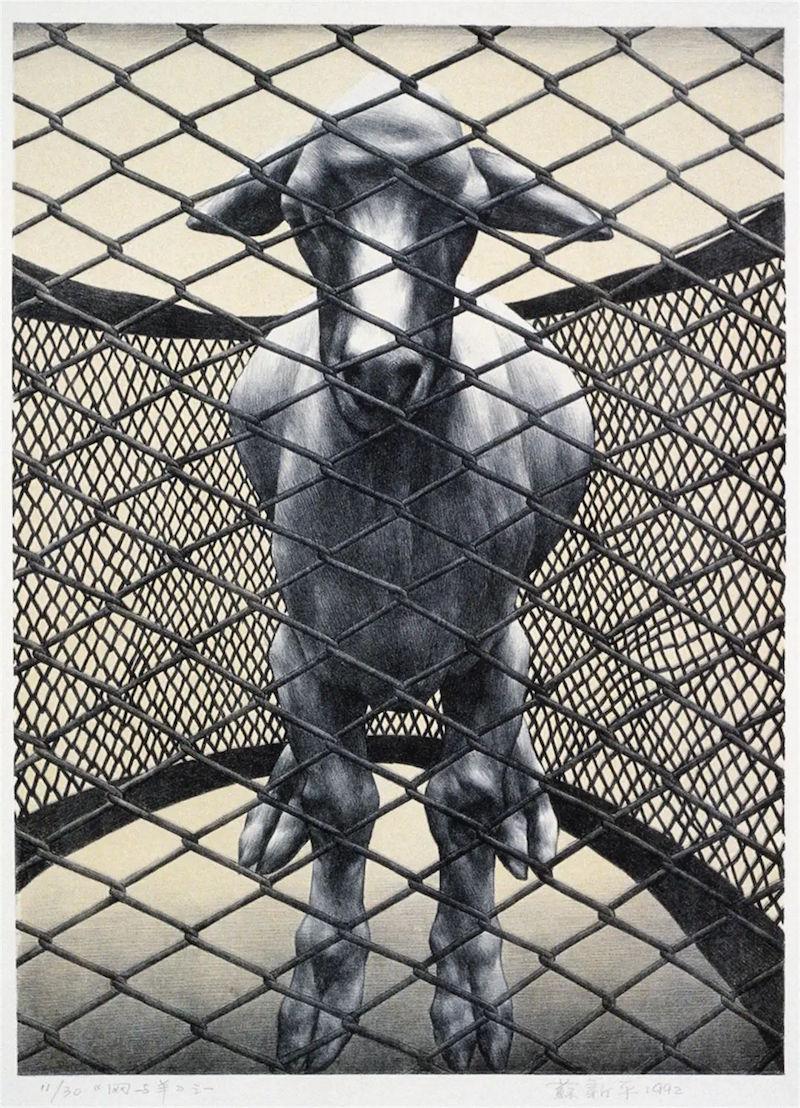
Su Xinping, one of the sheep in the net, lithograph, 58×43 cm, 1992.
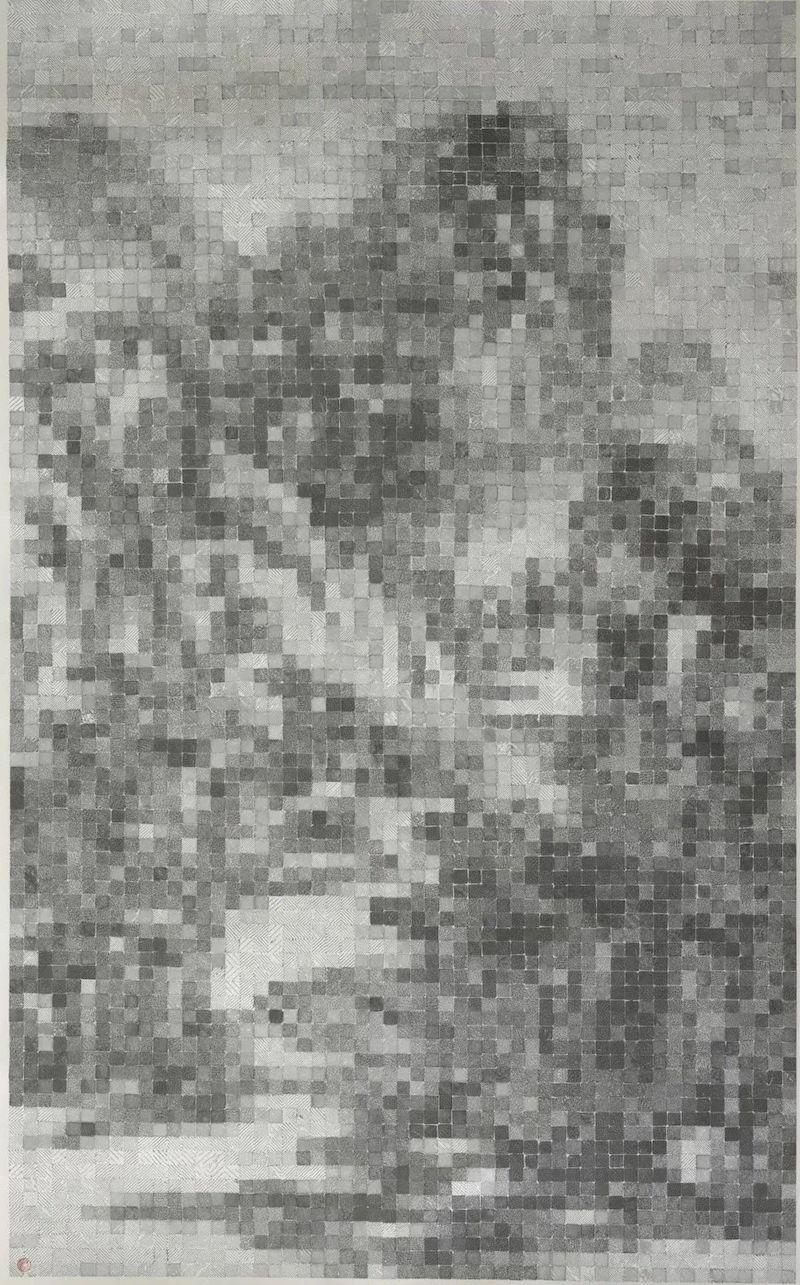
Yang Hongwei, pixel landscape, woodcut in Mukou, 180×117 cm. In addition, in 2015, Tan Ping’s "Miner Series" is what artists think when they experience life; Su Xinping’s series of "Silent Town" recalls the memories of the adobe house where he lived since childhood; The Urban Nebula, a work created by Peng Yong, is also about the author’s experience, which presents two completely different life feelings: the pastoral where he was a child and the metropolis where he grew up.The organizer said that the works of art exhibited in this unit are not only to present the existing achievements of contemporary prints, but also to show the state of continuous experiments and changes in contemporary prints, which is exactly the spirit of the emerging woodcut movement advocated by Lu Xun.
The exhibition will last until November 12, 2022.
(This article is from The Paper, please download the "The Paper" APP for more original information)
Reporting/feedback

关于作者