These taxes affect every taxpayer’s "wallet" to sort out the tax reform policy in 2018
CCTV News:Taxation is related to the country’s "money bag" and affects the "wallet" of every taxpayer. The first week of 2018 is about to pass, and some tax reforms closely related to the people have been implemented. So what will bring changes to people’s lives?
Image source network
Environmental protection tax: from January 1st, enterprises, institutions and other environmental pollution will be taxed.
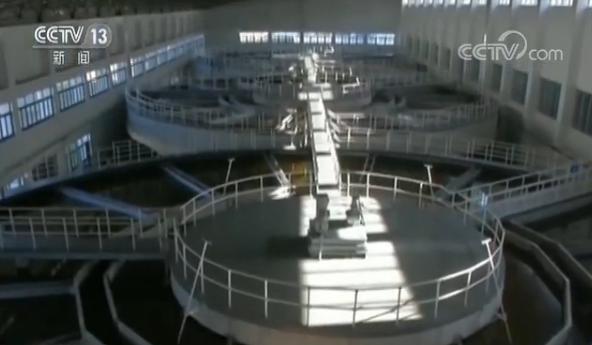
On January 1, 2018, People’s Republic of China (PRC) Environmental Protection Tax Law was officially implemented, and China ushered in a new tax category — — Environmental protection tax and sewage charges have become history. The environmental protection tax law makes it clear that enterprises, institutions and other producers and operators who directly discharge taxable pollutants into the environment are taxpayers of environmental protection tax, and differential taxation is implemented according to the pollutant emission concentration, that is, more emissions and more taxes will be paid, and all these taxes will be regarded as local income.
Water resource tax: 9 places including Beijing are added to the scope of the pilot project.
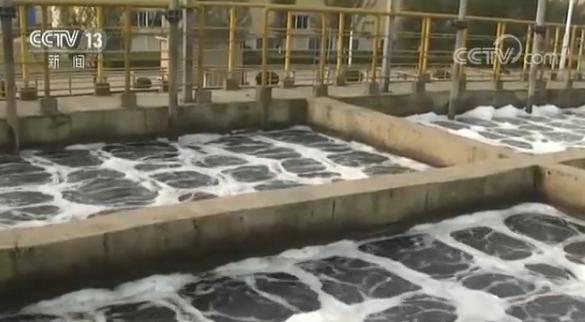

From December 1, 2017, water resource tax will be levied in 9 provinces, autonomous regions and municipalities including Beijing, Tianjin, Shanxi and Inner Mongolia. This is another key step in China’s resource tax reform after Hebei Province took the lead in piloting on July 1, 2016. According to the nature of different water intake, different taxes are implemented. The groundwater tax is higher than the surface water, and the special industries are taxed at a high level, and the water intake for agricultural production within the limit is tax-free. According to experts’ analysis, this is the most stringent water resources management system promoted by tax regulation, which is of great significance to the realization of green development.
Vehicle purchase tax: restored to 10%, new energy vehicles will continue to be exempted.
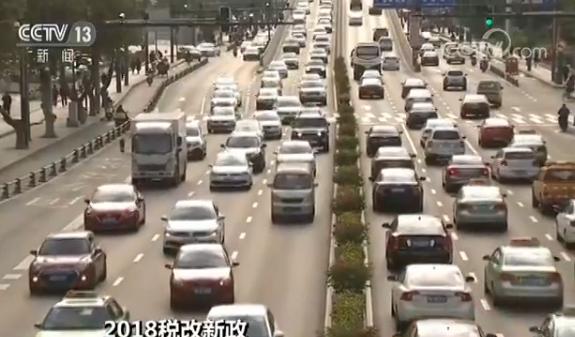
The closest relationship with ordinary people is the vehicle purchase tax. From January 1, 2018, the vehicle purchase tax for passenger cars with a displacement of 1.6 liters or less will be restored from the tax rate of 7.5% in 2017 to the statutory tax rate of 10%.
However, from January 1, 2018 to December 31, 2020, the state will continue to exempt new energy vehicles from vehicle purchase tax.
Tariff: the tax rate of some imported food, health care products and other consumer goods has dropped significantly.
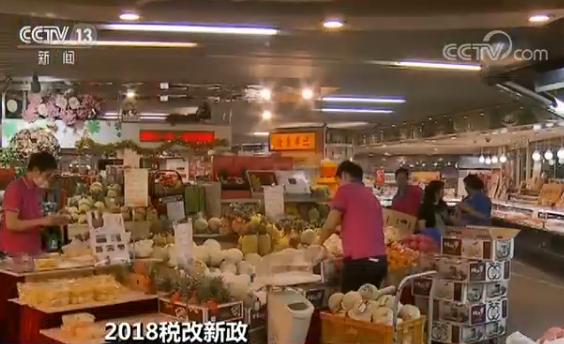
Not only that, in 2018, some consumer goods and raw materials in China ushered in a major tariff adjustment, and the total number of tariff items after adjustment was 8549. Since December 1, 2017, the import tariffs on some consumer goods have been reduced, and the average tax rate has dropped from 17.3% to 7.7%. It covers all kinds of consumer goods, such as food, health care products, medicines and daily necessities, and involves 187 8-digit goods. In addition, since January 1, 2018, the export tariffs on products such as steel and chlorite will be abolished, and the export tariffs on products such as ternary compound fertilizer and apatite will be appropriately reduced. According to experts’ analysis, a series of tariff adjustment measures not only fully reflect China’s unswerving determination to promote international trade liberalization, but also reflect China’s win-win attitude and confidence in global cooperation.